Most advice about improving memory asks you to try harder: concentrate more, repeat things, buy the app with the puzzles. It skips the part where memory is a biological process running on a body that may be sleeping six hours, sitting for eleven, and carrying a stress load it never gets to put down. You can push against those conditions for years and get very little. Or you can change the conditions and watch your memory improve almost as a side effect. This guide covers what actually moves memory in ordinary adult life, in rough order of how much difference each one makes.
How can you improve your memory?
Improve the conditions memory depends on before working on technique. Protect your sleep, move your body most days, give things your full attention when they matter, and manage chronic stress. Then add deliberate methods for the material you specifically want to keep. Conditions first, technique second.
The order carries most of the value here. Technique applied to a well rested, well exercised, reasonably calm brain compounds beautifully. The same technique applied to a brain running on five hours of sleep for the third week straight produces frustration and a conclusion that memory training does nothing. Both people used the same method; only one gave it something to work with.
Harvard Health's guide to keeping your mind sharp at any age pairs its memory strategies with exactly this foundation: physical activity, sufficient sleep, social connection, and a sensible diet. The strategies work because the foundation lets them.
Why does sleep matter more than anything else for memory?
Memory consolidation happens largely while you sleep. During the night your brain replays and stabilizes what you encoded during the day, moving fragile traces into durable storage. Short or fragmented sleep interrupts that process, so material you learned carefully still slips away by morning.
This explains the most common frustration people report. They pay attention, they repeat the name, they take the notes, and it still evaporates. The encoding was fine. The overnight consolidation had four hours to do six hours of work.
Deep slow wave sleep, concentrated in the first half of the night, does much of this heavy lifting, which is why a late bedtime costs more than the missing hours suggest. Our guides to getting more deep sleep and falling asleep faster cover the practical mechanics, and both are worth reading before any memory technique.
One underrated move: learn the thing you most want to keep in the evening, then sleep. A short nap after concentrated learning helps as well. You are handing material to the process that does the filing.
Alcohol deserves a mention in this section, since it acts directly on the same machinery. Even a couple of drinks suppresses the sleep stages where consolidation happens, which is why an evening spent learning something after wine so often leaves a thinner trace the next morning. The sleep still looks like sleep from the outside; it simply does less of this particular job.
Does exercise actually improve memory?
Regular aerobic movement supports the brain structures that form new memories and improves the blood flow those structures depend on. The World Health Organization lists physical activity among its core recommendations for reducing cognitive decline, and the effect shows up in ordinary adults, at ordinary intensities.
The dose is more modest than people fear. Brisk walking most days, enough to raise your breathing, delivers most of the benefit. The World Health Organization names being physically active among the actions that reduce the risk of cognitive decline and dementia, and it sits alongside the other lifestyle factors worth addressing across a lifetime.
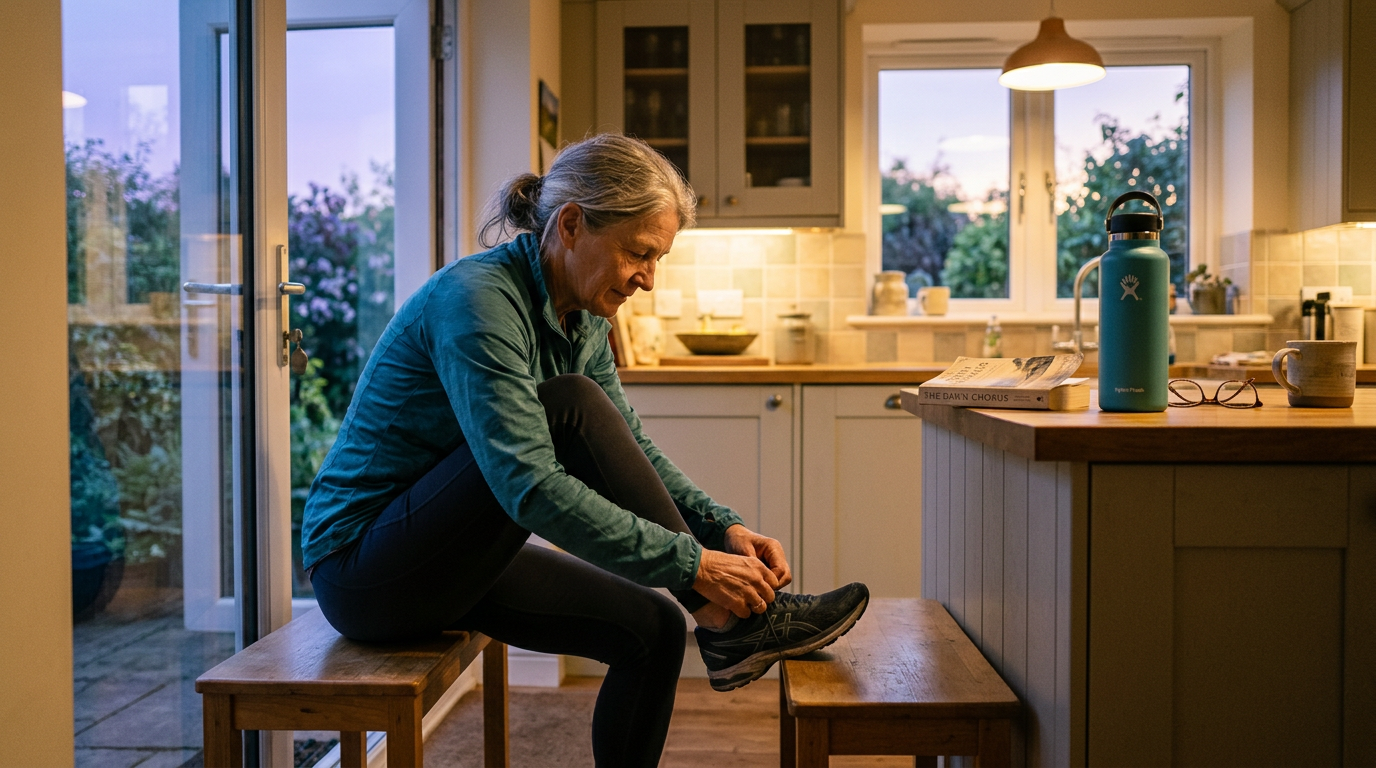
Timing offers a small bonus. Movement before a learning session sharpens the attention you bring to it, and movement afterward may support consolidation. On a foggy afternoon, a twenty minute walk restores more mental sharpness than a third coffee, and it charges nothing against tonight's sleep.
How does attention determine what you remember?
Nothing enters memory without attention. Most everyday forgetting is a failure of encoding instead of storage: you never registered where you set the keys because you were listening to a podcast. Giving something two seconds of undivided notice is the cheapest memory improvement available.
Test this against your own complaints. You did not forget the name of the person you met at the party; you were rehearsing what to say next while they said it. You did not forget where you parked; you were on a call. The information never arrived, so no technique could have retrieved it.
The fix is unglamorous and immediate. When something matters, stop, look at it, and name it silently: keys, hook, done. Two seconds of presence encodes what twenty minutes of later searching cannot recover. Our guide to focusing better covers the wider training, and attention and perception explains why whatever you attend to quietly becomes the world you remember living in.
What role does stress play in forgetting?
Acute stress narrows attention and makes retrieval harder in the moment, which is why names vanish under pressure. Sustained stress is more corrosive, disrupting sleep and taxing the same systems memory depends on. Lowering your baseline improves memory without any memory work at all.
Everyone has met the acute version: the blank in an interview, the name that arrives ten minutes after the conversation ends. The information was there; the retrieval path was temporarily jammed. A slower breath and a moment of patience often recovers it, and the physiological sigh resets that state faster than most people expect.
The chronic version does the greater damage, largely through sleep. The Cleveland Clinic's overview of cortisol describes what sustained activation costs, and our guides to lowering cortisol and nervous system regulation cover bringing the baseline down. People often report better memory a few weeks into that work, having done nothing about memory directly.
What else protects memory as you age?
Treat hearing loss, stay socially connected, keep learning demanding new things, manage blood pressure and blood sugar, and limit alcohol. These appear repeatedly in the research on protecting thinking across decades, and several of them are easy to overlook precisely because they seem unrelated to memory.
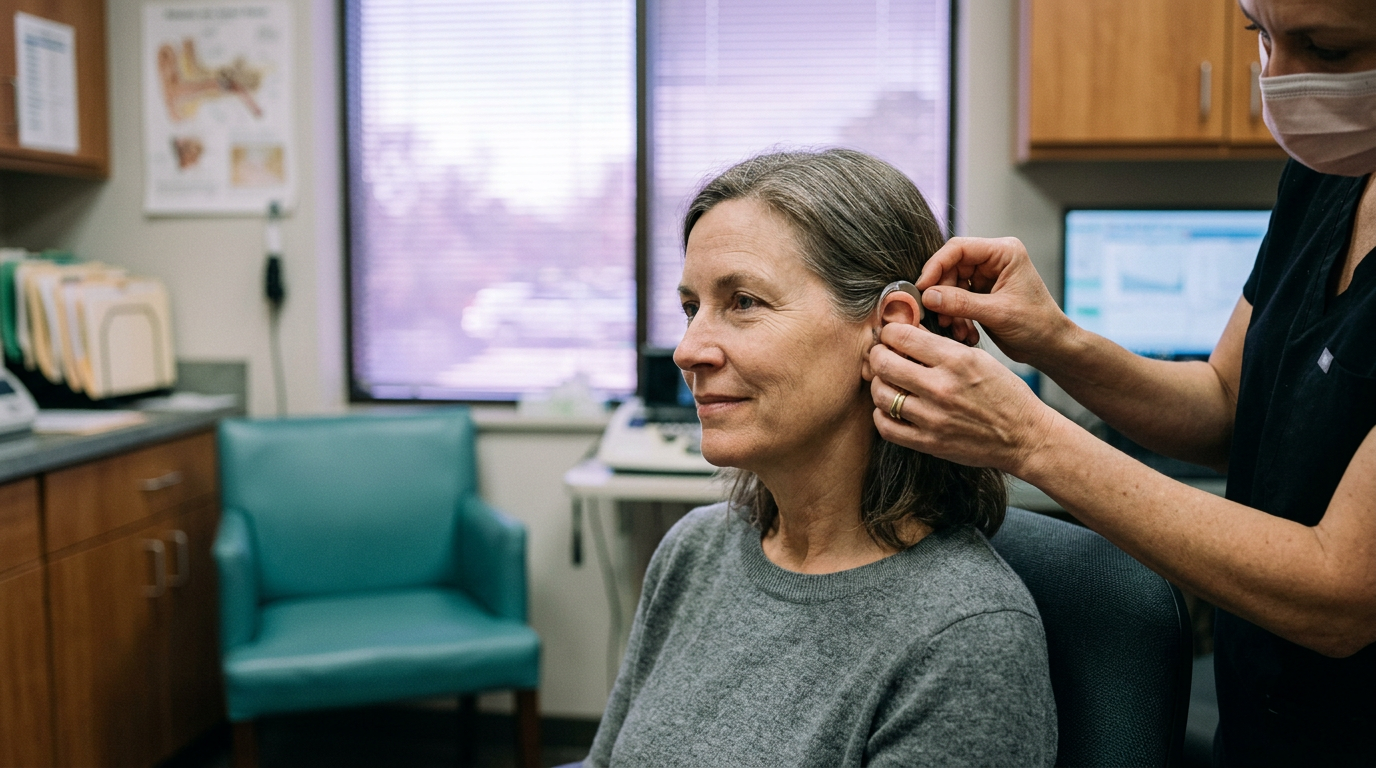
Hearing deserves particular emphasis because it is so frequently missed. Harvard Health's report on hearing aids and cognitive decline describes a three year trial in adults aged seventy to eighty four, where treatment slowed cognitive decline among those at highest risk. The mechanism is intuitive: straining to hear consumes the attention that would otherwise encode what was said, and it quietly withdraws people from conversation. Getting hearing checked in your fifties is a memory intervention wearing an audiologist's coat.
Social connection and continued learning work together. Conversation is demanding cognitive exercise, and learning something genuinely new builds the buffer described in our guide to cognitive reserve. The broader long view lives in how brain aging really works and preventing cognitive decline.
Where does memory fit in a mental longevity practice?
Memory is the mechanism that turns experience into something you can use, and continued learning depends on it entirely. Protecting it protects your ability to grow at every age, which is the difference between a long life and a long life that stays interesting.
Mental longevity is the lifelong capacity to think clearly, regulate your inner state, adapt to change, keep learning, maintain meaningful connections, and live intentionally. Memory threads through nearly all of it: learning requires retention, connection requires remembering the people in your life, and intentional living requires holding onto what you decided mattered. The habits in this article serve every one of those at once, which is the central argument of what mental longevity means.
Once the conditions are decent, technique multiplies them. Our guide to memory techniques covers the methods with real evidence behind them, including the spatial technique that produced lasting gains in six weeks of training. And because these habits hold better with company, members inside HumanOS, our community for building a durable mind, compare what actually protected their thinking through demanding seasons.
Does memory naturally decline with age?
Some functions slow, and others improve well into later life. Research on cognitive abilities across the lifespan, including work published in Psychological Science, found different abilities peaking at very different ages, with vocabulary and accumulated knowledge continuing to rise for decades. Speed changes; capability persists.
How long until better habits show up in memory?
Sleep changes register within days. Exercise and stress work usually show up across a few weeks. Hearing treatment can help almost immediately. The compounding benefits for long term brain health accumulate over years, which is the argument for starting while everything still feels fine.
Can improving memory reduce dementia risk?
The habits that support memory overlap heavily with the modifiable risk factors identified in dementia prevention research: activity, hearing, blood pressure, social connection, and learning. No habit removes risk, and the evidence supports meaningful reduction, which is worth acting on decades before symptoms would appear.
Should I worry about ordinary forgetting?
Occasional lapses under stress and fatigue are normal at every age. Seek an evaluation when forgetting disrupts daily function, when the people close to you notice a change, or when it comes with confusion about time and place, trouble finding common words, or getting lost in familiar surroundings.